
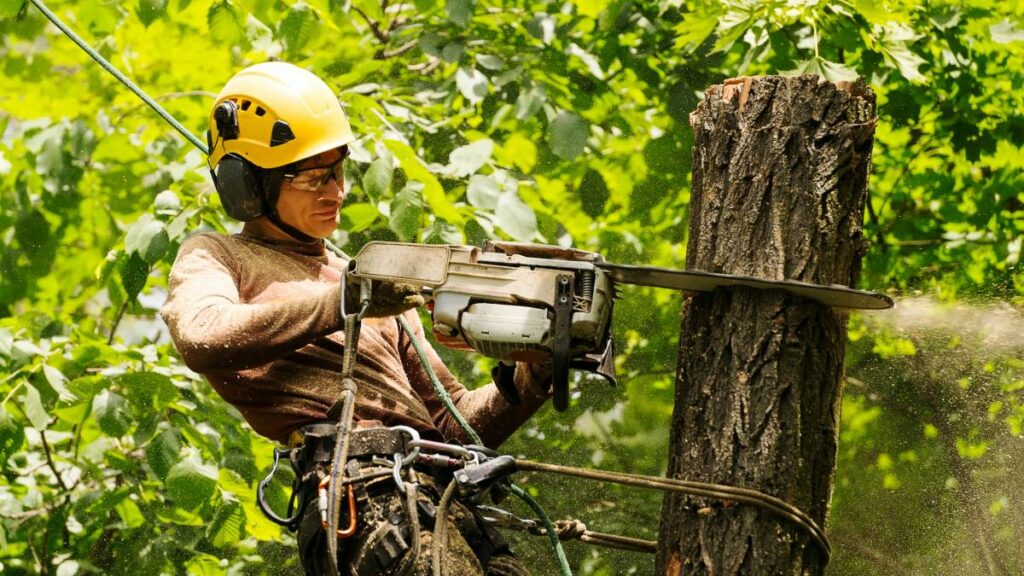
The Best Time of Year to Prune Your Trees, According to a Gladesville arborist
When Is the Best Time to Prune Trees in Gladesville? Late winter to early spring stands out as the optimal window for tree pruning Gladesville residents should target. This period, typically spanning from late July through early September in the Sydney region, offers the perfect conditions for stimulating healthy new growth once warmer weather arrives. Timing your pruning correctly makes the difference between a thriving tree and one struggling to recover. The bare branches of winter provide clear visibility of the tree’s structure, making it easier to identify which limbs need attention. Sap flow remains minimal during these cooler months, reducing the risk of excessive bleeding that can weaken the tree. Different pruning objectives require different seasonal approaches. While late winter works brilliantly for formative shaping and encouraging vigorous growth, summer pruning serves a distinct purpose in controlling overly enthusiastic growth. Flowering trees follow their own schedule, demanding attention immediately after their blooms fade. This guide draws on expert insights from experienced Gladesville arborists who understand the unique climate conditions and tree species thriving in our local area. The recommendations account for: The best time of year to prune your trees according to a Gladesville arborist depends on your specific goals—whether you’re shaping a young sapling, maintaining an established specimen, or addressing storm damage. Each scenario demands its own timing strategy to achieve optimal results while protecting the tree’s long-term health. It’s also essential to consider factors such as fire resistance when selecting which trees to plant or maintain in your garden, particularly given the climatic conditions we experience. Furthermore, understanding plant science can provide valuable insights into how different species respond to various pruning techniques and timings, ultimately leading to healthier and more resilient trees. Why Do Trees Need Pruning? Tree pruning benefits extend far beyond simple aesthetics, serving as a fundamental practice for maintaining healthy, safe, and attractive landscapes. Understanding why prune trees helps property owners make informed decisions about their tree care schedules. 1. Health and Vitality Removing dead, diseased, or damaged branches prevents the spread of decay throughout the tree. When left unattended, these compromised sections can harbor pests and pathogens that eventually infect healthy tissue. Strategic pruning also improves air circulation through the canopy, reducing moisture buildup that encourages fungal growth. Trees with properly thinned crowns receive better sunlight penetration, allowing interior branches to photosynthesize more efficiently. 2. Structural Integrity Young trees require pruning to develop strong frameworks that will support their mature weight. Correcting weak branch attachments, removing competing leaders, and establishing proper spacing between limbs creates a stable architecture. This preventative approach reduces the likelihood of branch failure during Gladesville’s occasional severe weather events. 3. Safety Considerations Overgrown branches pose significant risks when they extend over roofs, driveways, or power lines. Regular pruning eliminates these hazards before they cause property damage or injuries. Dead limbs become particularly dangerous as they can fall unexpectedly, threatening people and structures below. 4. Visual Appeal Well-maintained trees enhance property values and neighborhood character. Pruning shapes trees to complement architectural features, opens up desirable views, and maintains the intended size for the landscape design. Ornamental species especially benefit from careful pruning that showcases their natural form. 5. The Timing Factor Scheduling pruning at the right season amplifies these benefits significantly. Winter pruning during dormancy stimulates vigorous spring growth, while summer pruning moderates excessive expansion. Pruning flowering trees immediately after blooming preserves next season’s flower buds, whereas off-season cuts can eliminate an entire year’s display. What Are the Different Types of Tree Pruning? Tree pruning involves various methods, each serving specific purposes for tree health and appearance. Understanding the types of tree pruning helps property owners make informed decisions about when and how to care for their trees throughout the year. 1. Formative Pruning Formative pruning shapes young trees during their early development stages. This technique establishes a strong structural framework by selecting primary branches and removing competing leaders. Arborists use formative pruning to create well-balanced canopies that can support the tree’s mature weight while preventing future structural problems. The process typically begins when trees are one to three years old and continues for several years. 2. Maintenance Pruning Maintenance pruning keeps mature trees healthy and attractive through regular care. This approach removes dead, diseased, or crossing branches that could compromise the tree’s vitality. Property owners often schedule maintenance pruning to manage canopy density, improve air circulation, and maintain clearance from buildings or power lines. The frequency depends on the tree species and growth rate, with some trees requiring annual attention while others need intervention every few years. 3. Corrective Pruning Corrective pruning addresses existing problems in a tree’s structure or health. This intervention becomes necessary when trees develop weak branch attachments, co-dominant stems, or unbalanced growth patterns. Arborists also employ corrective techniques to repair damage from storms, disease, or previous improper pruning. The goal focuses on restoring the tree’s structural integrity and reducing future risks. Each pruning type requires careful timing to achieve optimal results: When Should You Prune Newly Planted Trees? Formative pruning for newly planted trees should occur during late winter, ideally between June and August in Gladesville. This timing allows young trees to develop a robust structural framework before the spring growth surge begins. Young tree care through formative pruning focuses on establishing a dominant central leader and well-spaced lateral branches. The process involves selecting the strongest upward-growing shoot as the main trunk while removing competing leaders that could create weak branch unions. Arborists also eliminate branches that grow at narrow angles (less than 45 degrees) to the trunk, as these connections are prone to splitting under stress. Winter pruning offers distinct advantages for newly planted trees: The first three years after planting are critical for shaping a tree’s future form. Light pruning during this establishment phase prevents the need for heavy corrective work later. Gladesville’s temperate climate allows for precise timing, with the cooler months providing ideal conditions for young trees to recover from pruning cuts. Avoid heavy pruning immediately after transplanting. Newly
The Best Time of Year to Prune Your Trees, According to a Gladesville arborist Read More »