Mice Removal Sydney: A Practical Guide for Safer Homes, Worksites, and Property Upgrades
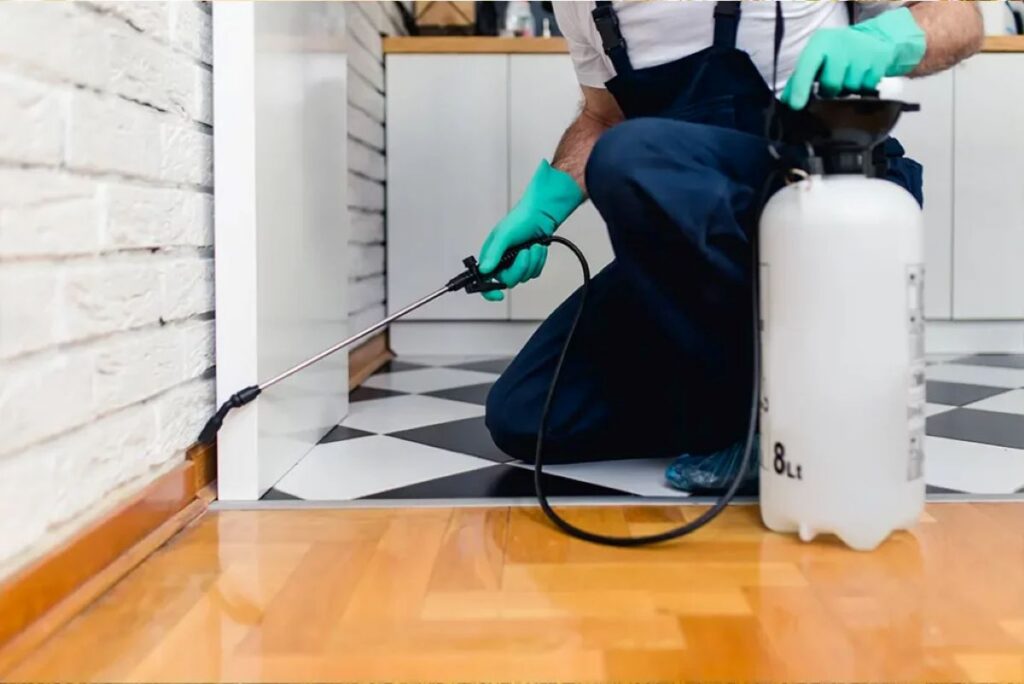
This guide explains what to do, what to avoid, and how to make changes that keep rodents out for good, especially during renovations and upgrades. What are the clearest signs that mice are already inside? The quickest indicators are fresh droppings, scratching in walls at night, and grease marks along skirting boards. Many infestations also show up as chewed packaging, shredded insulation, and a strong, stale odour in enclosed areas. In workplaces, staff may notice gnaw marks on stored stock, damage to cables, or repeated triggering of motion sensors. Acting early makes mice removal Sydney simpler and cheaper. Why do mice infest homes, commercial sites, and worksites so easily? Mice only need food, water, and a warm hiding place, and most buildings provide all three. Gaps under doors, unsealed service penetrations, and cluttered storage areas create easy pathways and nesting zones. Worksites are often even more attractive because of skips, offcuts, temporary kitchens, and open wall cavities. Without controls, mice removal Sydney can become a repeat job rather than a one-off fix. How risky is a mouse problem for health, safety, and compliance? Mice can contaminate surfaces and stored items, and they can aggravate allergies and asthma through dander and droppings. In food handling and hospitality, even minor signs can trigger serious compliance issues. On worksites, the biggest risk is damaged cabling, which can create faults, downtime, and potential fire hazards. For many managers, mice removal Sydney is part of basic duty of care. What should they do first when mice are discovered? They should start by reducing food access and tightening housekeeping immediately. All waste needs sealed bins, spills should be cleaned promptly, and food should be stored in hard containers rather than soft packaging. Next, they should inspect likely entry points such as garage corners, laundries, plant rooms, and behind appliances. Early steps support professional mice removal Sydney by stopping the infestation from expanding while treatment begins. Should they use DIY traps and baits, or call professionals? DIY snap traps can help for very small issues, but they often fail when there are multiple nesting areas. Over-the-counter baits can also be misused, creating avoidable risks for pets, children, and wildlife. Professionals can identify entry routes, place controls correctly, and confirm when activity has stopped. In most properties, mice removal Sydney is fastest when inspection, treatment, and proofing are handled as one plan. How does professional mice removal typically work? A proper service usually begins with a detailed inspection, followed by targeted control measures and then proofing advice. They may use traps, bait stations, and monitoring tools depending on the setting and risk profile. The key difference is follow-up. Without follow-up visits and activity checks, mice removal Sydney can look successful for a week, then return as soon as surviving mice breed again. What entry points should they seal to stop reinfestation? They should prioritise gaps under external doors, unsealed pipe penetrations, weep holes that have become access points, and cracked vents. Any opening larger than roughly a pencil width can be enough for a mouse. Proofing should use durable materials such as steel wool and metal mesh where appropriate, not foam alone. Good proofing reduces future mice removal Sydney costs dramatically. You may like to visit https://realitypi.net/pest-control-box-hill-outdoor-greenery-home-maintenance/ to learn more about pest control in Box Hill and how outdoor greenery and home maintenance work together against pests. How can property upgrades and renovations reduce mouse risk? Upgrades are the best time to fix hidden weaknesses because walls, floors, and service runs are already accessible. They should ask tradespeople to seal around conduits, cap unused penetrations, and fit door sweeps and tighter thresholds. They can also redesign storage areas to keep stock off the floor and away from walls, making inspections easier. When upgrades include these details, mice removal Sydney becomes less likely to be needed again. What should worksites and warehouses do differently? Worksites should manage waste daily, keep laydown areas tidy, and avoid leaving pet food-style scraps near break zones. Warehouses should rotate stock, reduce cardboard build-up, and keep dock doors closed when not in active use. They should also set a simple reporting process so staff log droppings, sightings, or gnawing immediately. Clear routines support mice removal Sydney by preventing small activity from turning into a site-wide issue. Which mistakes make mouse problems worse? The most common mistake is relying on a single bait or trap and assuming silence means success. Another is sealing entry points too early without confirming mice have been removed, which can trap rodents inside. Poor waste control and clutter create constant harbourage, so treatments work slowly. Avoiding these mistakes makes mice removal Sydney more predictable and far less disruptive. How do they know the infestation is actually gone? They should look for a sustained absence of fresh droppings, no new gnaw marks, and no noises in voids over a period of monitoring. Professionals may also use tracking dust, non-toxic monitoring blocks, or motion tools to confirm activity has stopped. They should keep proofing and hygiene measures in place because removing pressure points is what keeps results stable. Long-term success is the real goal of mice removal Sydney. What ongoing prevention plan keeps properties safer year-round? A practical plan includes monthly checks of bins, doors, and service penetrations, plus seasonal inspections after storms or building works. They should also keep vegetation trimmed away from walls and avoid storing items directly against external surfaces. For commercial sites, scheduled monitoring is often the difference between early detection and a shutdown-level issue. With a simple routine, mice removal Sydney becomes an occasional necessity rather than a recurring problem. See Also : Infection control and disease prevention
Mice Removal Sydney: A Practical Guide for Safer Homes, Worksites, and Property Upgrades Read More »