
A cleaning crew can be doing “just cleaning” and still end up interacting with forklifts, racking systems, battery charging areas, chemicals, food grade zones, or flammable dust. One mistake, like using the wrong chemical or blocking an exit for ten minutes, can turn into an incident report fast.
Below are five requirements warehouse cleaning services typically need to meet if they want to operate safely, stay compliant, and avoid becoming the reason a site fails an audit.
What training and site specific orientation do they need?
Cleaning a warehouse effectively involves understanding the specific risks associated with the facility, from machinery and storage systems to operational workflows. Teams with the right training can adapt their approach to support both cleanliness and workplace safety. Learn more about warehouse cleaning services tailored to industrial environments.
At minimum, they should be able to show documented training for:
- Hazard communication, including Safety Data Sheets and labeling rules
- Proper chemical handling and dilution
- PPE use, limitations, and replacement
- Slip, trip, and fall prevention
- Emergency response basics, including evacuation routes and alarms
And then there is site orientation, which matters just as much. Warehouses are not standardized. Each one has its own traffic patterns, restricted areas, muster points, and rules around aisle access. A good team gets briefed on where they can and cannot clean, what to do if they see a spill, and how to work around operations without creating new hazards.
If they cannot explain their training process clearly, that is usually a bad sign. Not always, but often.
How do they handle chemical safety, SDS access, and hazardous materials rules?
Chemicals are where a lot of cleaning services quietly get into trouble. Some warehouses store food. Some store pharma. Some have battery acid risk. Some have combustible dust sensitivity. A “general purpose” cleaner may be totally unacceptable in certain zones.
A compliant cleaning service typically needs to have:
- A chemical inventory list for what they bring onsite
- SDS available in a format workers can access immediately
- Proper secondary container labeling, not handwritten mystery bottles
- Storage and transport practices that do not create spills or incompatible mixing
- Clear rules against mixing chemicals, especially bleach and acids
They also need to follow whatever the facility requires, which might include using only facility approved chemicals. Many sites have vendor approval lists for exactly this reason.
When using floor scrubbers or degreasers, warehouses must ensure wastewater is handled and disposed of correctly. Many facilities have strict requirements regarding where wastewater can be discharged, particularly when oils, chemicals, or other contaminants are involved. Understanding industrial wastewater disposal regulations can help businesses avoid environmental compliance issues and potential penalties.
What PPE and equipment safety standards should they follow?
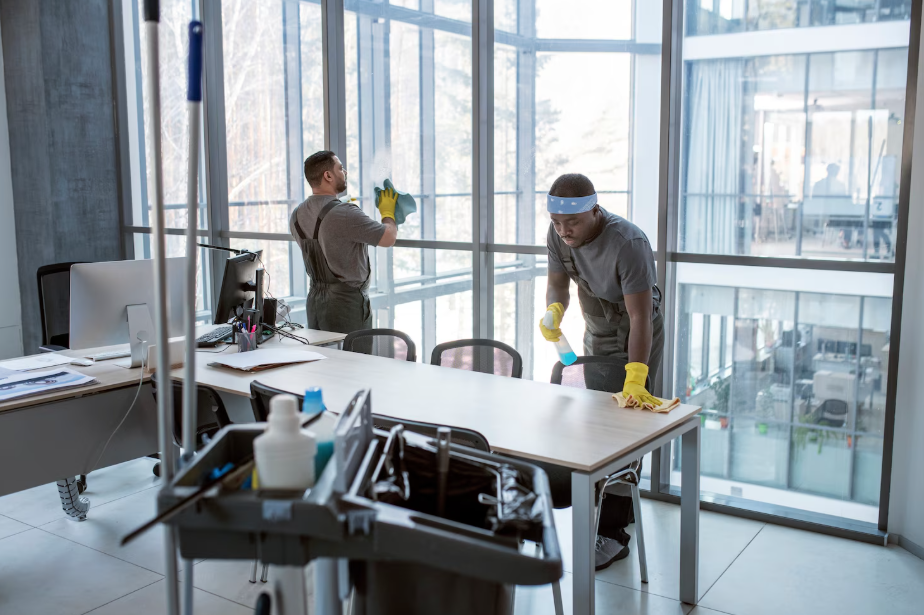
PPE is easy to talk about and weirdly easy to ignore in practice. A warehouse cleaning team should match PPE to the task and the hazard.
Typical PPE expectations include:
- High visibility vests or shirts in active traffic areas
- Safety toe footwear where required
- Gloves matched to the chemical being used
- Eye protection during spraying, degreasing, or any overhead work
- Hearing protection if they are cleaning near high noise zones
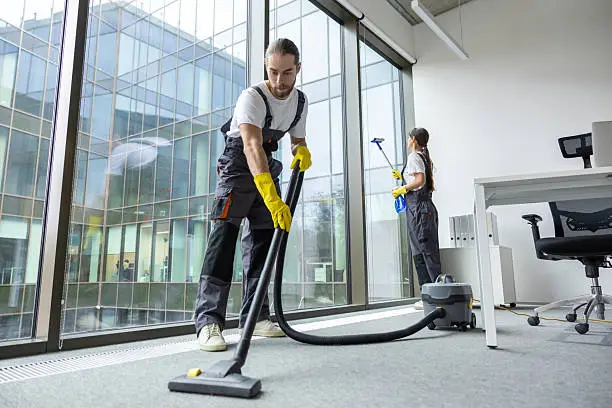
Equipment is the other half. Scrubbers, vacuums, pressure washers, lifts, and even extension poles can create hazards if they are not maintained or used correctly.
A safety minded provider usually has:
- Pre use inspection routines
- Maintenance logs for machines
- Cords and hoses managed to prevent trips
- Only trained operators using powered equipment
- Guards and safety features left in place, not removed “to make it faster”
If they use ladders or mobile elevated platforms, they need to follow the facility rules and local regulations. Warehouses often restrict ladder use in certain aisles or near moving equipment. Cleaning crews should not improvise.
How do they prevent slip, trip, fall, and traffic interaction incidents?
This is the big one, because it is where cleaning and warehouse operations collide.
Wet floors, clutter, blocked aisles, and blind corners are a daily reality in warehouses. Add forklifts and pallet jacks and the risk jumps.
A compliant warehouse cleaning service should have a plan for:
- Scheduling work to avoid peak traffic when possible
- Using cones and wet floor signage consistently
- Keeping exits, aisles, panels, and fire equipment clear
- Cleaning spills quickly and reporting spills they cannot handle
- Working with spotters when cleaning in forklift active areas
They also need simple communication habits. For example, if they are cleaning an aisle, they should coordinate with supervisors so nobody drives into it because “they did not know.”
Good crews do not try to be invisible. They make themselves predictable. High visibility clothing, barriers, and clear patterns reduce surprises, and surprises are what cause collisions.
What documentation and audit readiness should they maintain?
Warehouses love paperwork for a reason. If something goes wrong, documentation is often the only proof that a provider did what they were supposed to do.
Cleaning services that operate professionally usually maintain:
- Proof of insurance that matches warehouse requirements
- Training records for each worker
- Chemical inventory and SDS access logs
- Equipment inspection and maintenance records
- Incident and near miss reporting procedures
- Cleaning logs that show when and where work was performed
Many warehouses also require contractor sign in procedures, background checks, or badge systems. Cleaning providers should follow those without pushing back.
Audit readiness matters even when nobody thinks an audit is coming. Food storage sites may face third party audits. Pharma and medical supply warehouses can be even stricter. Even general distribution sites get inspected after incidents or complaints.
To strengthen compliance processes, learn more about Sydney CBD office cleaning standards.
If a cleaning company cannot produce documentation quickly, they may still be doing good work. But it makes them a risk to the facility. And most facilities are not going to gamble on that.
Where does this leave warehouse cleaning services?
A warehouse cleaning company can either treat safety and compliance like a box checking exercise, or treat it like the thing that keeps the contract.
The five requirements above are not “extra.” They are often the baseline for being allowed to work in modern warehouses. Training and site orientation, chemical compliance, PPE and equipment safety, traffic and fall prevention, and documentation. That is the core.
And yes, it is a lot. But warehouses are busy, regulated, and full of moving hazards. Cleaning inside that environment is not just about getting the place to look better. It is about making sure the place stays safe while they do it.
FAQs (Frequently Asked Questions)
What specific training and site orientation should a warehouse cleaning service have?
A reliable warehouse cleaning service must have documented training tailored to the hazards of the specific facility. This includes hazard communication, proper chemical handling and dilution, PPE use and limitations, slip, trip, and fall prevention, and emergency response basics such as evacuation routes and alarms. Additionally, site-specific orientation is crucial to understand traffic patterns, restricted areas, muster points, and aisle access rules to ensure safe operations without creating new hazards.
How do warehouse cleaning services ensure chemical safety and compliance with hazardous materials regulations?
Compliant cleaning services maintain a chemical inventory list for all substances brought onsite and provide immediate access to Safety Data Sheets (SDS). They practice proper secondary container labeling, follow strict storage and transport protocols to prevent spills or incompatible mixing, and enforce clear rules against mixing chemicals like bleach and acids. They also adhere to facility-specific requirements by using approved chemicals only and manage wastewater properly to avoid environmental compliance issues.
What Personal Protective Equipment (PPE) and equipment safety standards are essential for warehouse cleaning teams?
Warehouse cleaning teams should match PPE to the tasks and hazards involved. Typical PPE includes high visibility vests or shirts in traffic areas, safety toe footwear where required, chemical-resistant gloves, eye protection during spraying or overhead work, and hearing protection near noisy zones. Equipment safety involves pre-use inspections, maintenance logs, proper management of cords and hoses to prevent trips, operation by trained personnel only, and ensuring all guards and safety features remain intact. Compliance with ladder use regulations is also mandatory.
How do warehouse cleaning services prevent slip, trip, fall incidents and manage interactions with warehouse traffic?
Effective cleaning services develop plans that schedule work during low traffic periods when possible; consistently use cones and wet floor signage; keep exits, aisles, panels, and fire equipment clear; clean spills promptly while reporting those beyond their control; and employ spotters when working in forklift-active areas. They maintain clear communication with supervisors to coordinate activities so that workers remain predictable rather than invisible—using high visibility clothing and barriers to reduce surprises that could lead to collisions.
What documentation should warehouse cleaning providers maintain to ensure audit readiness?
Professional cleaning providers keep comprehensive records including proof of insurance matching warehouse requirements; detailed training records for each worker; up-to-date chemical inventories with SDS access logs; equipment inspection and maintenance documentation; incident and near miss reports; as well as cleaning logs indicating when and where work was performed. They comply with contractor sign-in procedures, background checks, or badge systems as required by the facility. Maintaining such documentation ensures quick response during audits or investigations.
Why is specialized warehouse cleaning more complex than it appears from a distance?
Warehouse cleaning involves navigating complex environments that intersect safety concerns like forklift traffic, racking systems, battery charging stations, chemical storage areas, food-grade zones, or flammable dust presence. Mistakes such as improper chemical use or temporarily blocking exits can rapidly escalate into incident reports. Therefore, effective warehouse cleaning demands rigorous training, strict adherence to safety protocols, precise communication with warehouse operations staff, specialized equipment handling procedures, and thorough documentation to maintain compliance and minimize liability.