
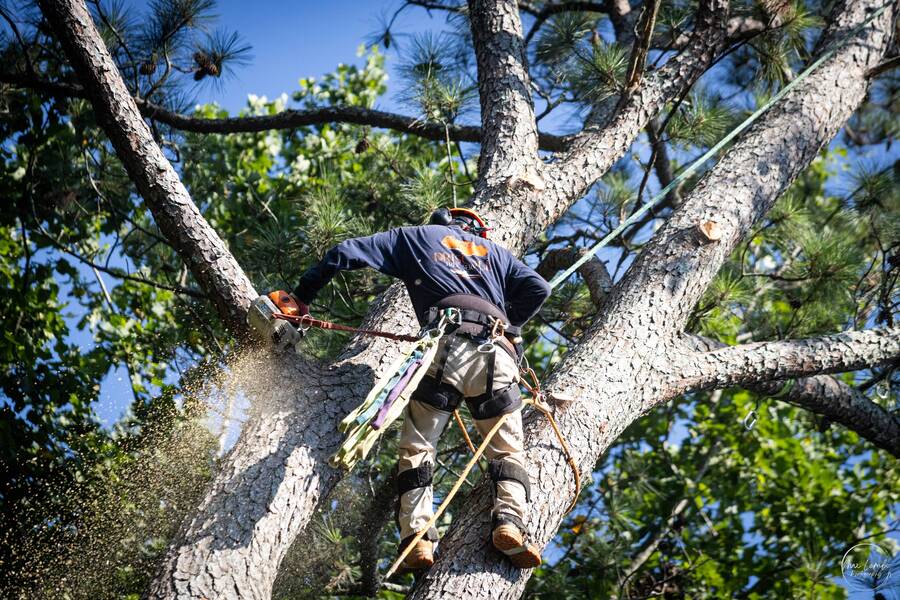
Choosing the Best Tree Removal Service for Large Trees
Why Should You Remove Large Trees? Large trees may need to be removed if they pose a threat to safety, carry diseases, or disrupt plans for property development. Trees that are damaged or leaning can become especially hazardous during storms, with heavy branches or entire trunks potentially crashing down on homes, vehicles, or power lines. 1. Safety Hazards The most pressing reason for removing a tree is the danger it poses. Trees that have structural damage from lightning strikes, severe weather, or decay due to age can fall unexpectedly. If a tree is leaning more than 15 degrees from its vertical position, it usually indicates that the root system is failing and requires immediate attention. 2. Diseased or Dying Trees Diseased or dying trees present several dangers beyond their own collapse. Fungal infections, pest infestations, and bacterial diseases can quickly spread to nearby plants, putting your entire landscape at risk. Dead trees also attract termites and carpenter ants, which may then move on to wooden structures on your property. 3. Overcrowding Trees Trees that grow too close together compete fiercely for sunlight, water, and nutrients in the soil, which is why timely tree root removal is often essential for long-term landscape health. When mature trees grow in close proximity, their canopies block light from reaching lower branches and ground-level plants. Below the surface, tangled root systems intensify competition—making strategic tree root removal a practical solution to reduce stress, strengthen remaining trees, and lower the risk of wind damage. 4. Landscape Renovation and Construction Projects Strategic tree removal is often necessary for landscape renovation and construction projects. Home additions, pool installations, and driveway expansions require open space and stable ground. Trees with extensive root systems have the potential to damage foundations, underground utilities, and hardscaping features. Property owners who are planning significant changes should assess which trees conflict with their vision and structural needs. Understanding why large trees need to be removed is crucial in selecting the right tree removal service. This knowledge will help you convey specific concerns and requirements to prospective contractors effectively. What Are The Benefits of Hiring Local Tree Removal Services? Local tree removal services offer distinct advantages that national chains simply cannot match. Companies operating in your area bring specialized knowledge of regional tree species, climate challenges, and municipal requirements that directly impact how large trees should be safely removed. 1. Understanding Regional Regulations and Permits Local tree removal benefits extend to navigating the complex web of city ordinances and permit requirements. A neighborhood-based company already knows which trees are protected species in your area, what documentation your municipality requires before removal, and how to expedite the approval process. They maintain established relationships with local permitting offices, often cutting weeks off the timeline compared to companies unfamiliar with your jurisdiction’s specific rules. Many cities impose strict regulations on removing trees above certain diameters or heights, as outlined in the local city code. Local services have handled these requirements countless times and can guide you through the paperwork while ensuring compliance. This expertise prevents costly fines or project delays that occur when permits are filed incorrectly or necessary approvals are overlooked. 2. Quick Response Emergency Tree Removal Storm damage doesn’t wait for business hours. Local companies provide faster emergency response times because their crews are already in your area, not traveling from distant regional headquarters. When a large oak crashes onto your roof during a severe thunderstorm, those saved minutes can mean the difference between minor damage and catastrophic structural failure. Quick response emergency tree removal becomes critical during widespread weather events affecting entire neighborhoods. Local services prioritize their community, often maintaining emergency contact systems specifically for existing customers. Their proximity means they can assess damage within hours rather than days, providing immediate stabilization even if complete removal must wait. 3. Knowledge of Native Trees Knowledge of native trees shapes every aspect of professional removal. Local arborists understand the growth patterns, wood density, and structural characteristics of species common to your region. A company familiar with your area’s predominant trees knows exactly how a mature southern live oak will behave differently during removal compared to a northern red oak. This specialized expertise influences equipment selection, cutting techniques, and safety protocols. Local professionals recognize when a seemingly healthy tree actually shows signs of oak wilt or other regional diseases that affect structural integrity. They understand seasonal considerations—knowing that certain native species become more brittle in winter or develop weaker wood during drought conditions. Regional tree services also maintain relationships with local lumber mills, arboretums, or woodworking businesses to ensure responsible disposal or repurposing of removed trees. What Qualifications Should A Tree Removal Service Have? A qualified tree removal service must hold proper certification, comprehensive insurance, and valid licenses. These credentials protect both your property and the workers while ensuring the job meets professional standards. Certification Requirements A certified arborist brings specialized knowledge about tree biology, proper removal techniques, and safety protocols. The International Society of Arboriculture (ISA) certifies arborists who pass rigorous examinations and maintain continuing education requirements. This certification demonstrates a professional’s commitment to industry best practices and current safety standards. Tree removal companies should employ at least one ISA-certified arborist on staff. These professionals can assess tree health, identify potential hazards, and develop safe removal strategies for large trees. They understand weight distribution, structural integrity, and how to prevent property damage during complex removals. Insurance Coverage Essentials An insured tree removal company carries multiple types of coverage to protect all parties involved: Request certificates of insurance directly from the provider and verify coverage amounts meet your state’s requirements. Large tree removals typically require higher coverage limits due to increased risks. Contact the insurance company listed on the certificate to confirm the policy remains active and covers the specific work dates. Professional Licensing Licensed professionals comply with state and local regulations governing tree removal services. Licensing requirements vary by location but typically include: Ask potential contractors to provide copies of all relevant licenses and permits. Check
Choosing the Best Tree Removal Service for Large Trees Read More »