
When Is the Best Time to Prune Trees in Gladesville?
Late winter to early spring stands out as the optimal window for tree pruning Gladesville residents should target. This period, typically spanning from late July through early September in the Sydney region, offers the perfect conditions for stimulating healthy new growth once warmer weather arrives.
Timing your pruning correctly makes the difference between a thriving tree and one struggling to recover. The bare branches of winter provide clear visibility of the tree’s structure, making it easier to identify which limbs need attention. Sap flow remains minimal during these cooler months, reducing the risk of excessive bleeding that can weaken the tree.
Different pruning objectives require different seasonal approaches. While late winter works brilliantly for formative shaping and encouraging vigorous growth, summer pruning serves a distinct purpose in controlling overly enthusiastic growth. Flowering trees follow their own schedule, demanding attention immediately after their blooms fade.
This guide draws on expert insights from experienced Gladesville arborists who understand the unique climate conditions and tree species thriving in our local area. The recommendations account for:
- Seasonal weather patterns specific to the lower north shore
- Common tree varieties found in Gladesville gardens
- Local council regulations affecting tree maintenance
- Safety considerations for suburban properties
The best time of year to prune your trees according to a Gladesville arborist depends on your specific goals—whether you’re shaping a young sapling, maintaining an established specimen, or addressing storm damage. Each scenario demands its own timing strategy to achieve optimal results while protecting the tree’s long-term health.
It’s also essential to consider factors such as fire resistance when selecting which trees to plant or maintain in your garden, particularly given the climatic conditions we experience. Furthermore, understanding plant science can provide valuable insights into how different species respond to various pruning techniques and timings, ultimately leading to healthier and more resilient trees.
Why Do Trees Need Pruning?
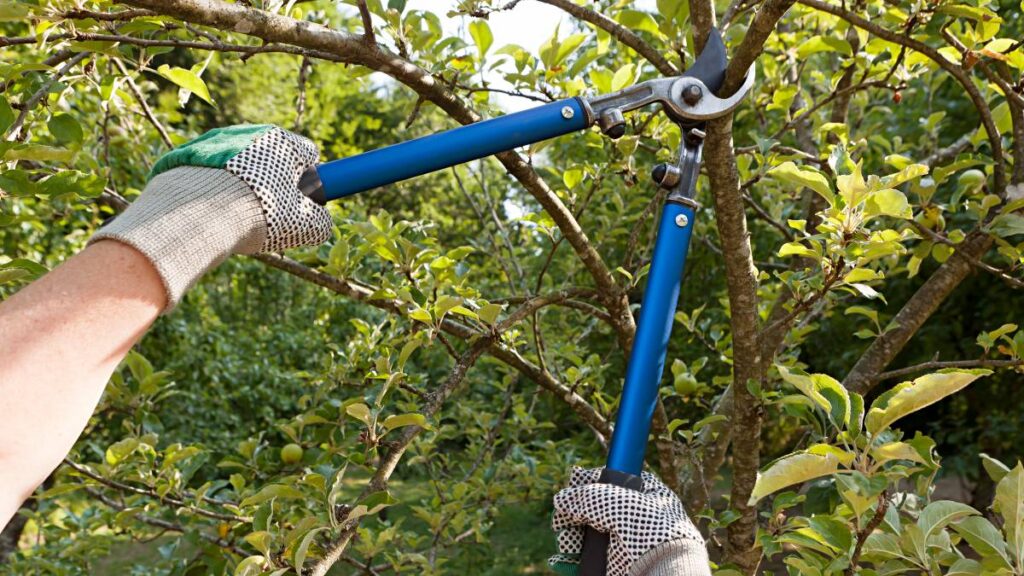
Tree pruning benefits extend far beyond simple aesthetics, serving as a fundamental practice for maintaining healthy, safe, and attractive landscapes. Understanding why prune trees helps property owners make informed decisions about their tree care schedules.
1. Health and Vitality
Removing dead, diseased, or damaged branches prevents the spread of decay throughout the tree. When left unattended, these compromised sections can harbor pests and pathogens that eventually infect healthy tissue. Strategic pruning also improves air circulation through the canopy, reducing moisture buildup that encourages fungal growth. Trees with properly thinned crowns receive better sunlight penetration, allowing interior branches to photosynthesize more efficiently.
2. Structural Integrity
Young trees require pruning to develop strong frameworks that will support their mature weight. Correcting weak branch attachments, removing competing leaders, and establishing proper spacing between limbs creates a stable architecture. This preventative approach reduces the likelihood of branch failure during Gladesville’s occasional severe weather events.
3. Safety Considerations
Overgrown branches pose significant risks when they extend over roofs, driveways, or power lines. Regular pruning eliminates these hazards before they cause property damage or injuries. Dead limbs become particularly dangerous as they can fall unexpectedly, threatening people and structures below.
4. Visual Appeal
Well-maintained trees enhance property values and neighborhood character. Pruning shapes trees to complement architectural features, opens up desirable views, and maintains the intended size for the landscape design. Ornamental species especially benefit from careful pruning that showcases their natural form.
5. The Timing Factor
Scheduling pruning at the right season amplifies these benefits significantly. Winter pruning during dormancy stimulates vigorous spring growth, while summer pruning moderates excessive expansion. Pruning flowering trees immediately after blooming preserves next season’s flower buds, whereas off-season cuts can eliminate an entire year’s display.
What Are the Different Types of Tree Pruning?
Tree pruning involves various methods, each serving specific purposes for tree health and appearance. Understanding the types of tree pruning helps property owners make informed decisions about when and how to care for their trees throughout the year.
1. Formative Pruning
Formative pruning shapes young trees during their early development stages. This technique establishes a strong structural framework by selecting primary branches and removing competing leaders. Arborists use formative pruning to create well-balanced canopies that can support the tree’s mature weight while preventing future structural problems. The process typically begins when trees are one to three years old and continues for several years.
2. Maintenance Pruning
Maintenance pruning keeps mature trees healthy and attractive through regular care. This approach removes dead, diseased, or crossing branches that could compromise the tree’s vitality. Property owners often schedule maintenance pruning to manage canopy density, improve air circulation, and maintain clearance from buildings or power lines. The frequency depends on the tree species and growth rate, with some trees requiring annual attention while others need intervention every few years.
3. Corrective Pruning
Corrective pruning addresses existing problems in a tree’s structure or health. This intervention becomes necessary when trees develop weak branch attachments, co-dominant stems, or unbalanced growth patterns. Arborists also employ corrective techniques to repair damage from storms, disease, or previous improper pruning. The goal focuses on restoring the tree’s structural integrity and reducing future risks.
Each pruning type requires careful timing to achieve optimal results:
- Formative work aligns best with dormant seasons when trees can heal efficiently.
- Maintenance schedules vary based on the tree’s growth cycle and specific needs.
- Corrective interventions may demand immediate attention regardless of season, particularly when safety concerns arise.
When Should You Prune Newly Planted Trees?
Formative pruning for newly planted trees should occur during late winter, ideally between June and August in Gladesville. This timing allows young trees to develop a robust structural framework before the spring growth surge begins.
Young tree care through formative pruning focuses on establishing a dominant central leader and well-spaced lateral branches. The process involves selecting the strongest upward-growing shoot as the main trunk while removing competing leaders that could create weak branch unions. Arborists also eliminate branches that grow at narrow angles (less than 45 degrees) to the trunk, as these connections are prone to splitting under stress.
Winter pruning offers distinct advantages for newly planted trees:
- Clear visibility of the tree’s structure without foliage obstruction
- Minimal sap flow reduces stress on the young tree
- Wounds heal rapidly when growth resumes in spring
- Lower risk of disease transmission during dormant periods
The first three years after planting are critical for shaping a tree’s future form. Light pruning during this establishment phase prevents the need for heavy corrective work later. Gladesville’s temperate climate allows for precise timing, with the cooler months providing ideal conditions for young trees to recover from pruning cuts.
Avoid heavy pruning immediately after transplanting. Newly planted trees need their foliage to photosynthesize and establish root systems. Wait until the tree has completed at least one full growing season before implementing formative pruning. During the first year, limit interventions to removing only broken, diseased, or crossing branches.
The intensity of formative pruning should never exceed 25% of the tree’s canopy in a single session. Removing too much foliage compromises the tree’s ability to produce energy through photosynthesis, potentially stunting growth or causing decline. Professional arborists in Gladesville understand these thresholds and can assess each tree’s specific needs based on species, health status, and growth patterns.
Is Summer Pruning Beneficial for All Trees?
Summer pruning offers specific advantages but isn’t universally suitable for every tree species. The technique primarily helps control excessive growth by removing actively growing shoots, which results in less vigorous regrowth compared to winter pruning. This makes it particularly valuable for managing trees that tend to grow too large for their location.
Key summer tree pruning benefits include:
- Growth regulation – Removing green, actively growing wood slows down the tree’s expansion
- Disease visibility – Full foliage makes it easier to spot diseased or dead branches
- Reduced sap flow – Many species bleed less sap during warmer months
- Immediate hazard removal – Dead or damaged branches can be addressed before they pose risks
The practice of pruning in summer does carry notable risks. Trees lose their ability to photosynthesize when foliage is removed during peak growing season, potentially stressing the plant. Exposed inner branches may suffer sunburn damage, particularly on species with thin bark or sensitive tissue. Wounds heal more slowly in heat, creating longer windows for pest infiltration or disease entry.
Species-specific considerations matter significantly:
Deciduous trees like maples and birches generally tolerate light summer pruning but shouldn’t undergo heavy structural work during active growth. Stone fruit trees including cherries and plums benefit from summer pruning since it reduces their susceptibility to silver leaf disease, which spreads more readily through winter wounds.
Conifers respond poorly to summer pruning, as many species struggle to regenerate growth from old wood. Eucalypts, common throughout Gladesville, can handle summer work but require careful attention to avoid removing too much canopy at once.
The safest approach limits summer pruning to removing dead, diseased, or damaged branches rather than performing major structural modifications. Heavy pruning should wait until the dormant season when trees can recover without the added stress of supporting active growth.
How Should You Approach Pruning Flowering or Ornamental Trees?
Flowering trees pruning time depends entirely on when your tree blooms. The golden rule for ornamental tree care is to prune immediately after the flowers fade but before new shoots begin developing. This window allows you to shape the tree without sacrificing next season’s blooms while the tree still has enough energy to heal pruning wounds efficiently.
Timing for Pruning Flowering Trees
The specific timing varies between species:
- Early spring bloomers (flowering plum, cherry): Prune immediately after flowering
- Late spring bloomers (jacaranda, wisteria): Prune within two weeks of petal drop
- Summer bloomers (crepe myrtle): Prune in late winter before new growth
- Native flowering species: Often require minimal intervention beyond dead wood removal
Importance of Early Formative Pruning
Early formative pruning during a flowering tree’s first few years establishes the framework for abundant blooms throughout its lifetime. Young trees benefit from selective branch removal that opens up the canopy, allowing sunlight to penetrate and air to circulate. This foundation reduces the need for heavy corrective pruning later, which often compromises flowering potential.
Local Considerations in Gladesville
Gladesville’s temperate climate with mild winters and warm, humid summers creates unique considerations for ornamental tree care. The area’s clay-based soils retain moisture differently than sandy coastal regions, affecting how quickly pruning wounds heal. Local arborists understand these conditions and can identify the optimal pruning windows for your specific tree species.
Specialized Techniques for Common Varieties
Some ornamental varieties common to Gladesville gardens require specialized techniques. Japanese maples, for instance, are prone to bleeding sap if pruned during their active growth phase. A local arborist recognizes this and can advise on the best time to prune such trees, ensuring their health and beauty are maintained.
When Is It Necessary to Prune After Storm Damage?
Storm damage tree pruning requires immediate attention to prevent further harm to your property and the tree itself. Broken branches, split trunks, and torn limbs create entry points for diseases and pests that can quickly compromise the entire tree’s health.
Acting within 24-48 hours of storm damage helps minimize infection risks and structural instability. Damaged branches left hanging pose serious safety hazards, potentially falling on homes, vehicles, or people below. The exposed wood from storm injuries becomes vulnerable to fungal infections and insect infestations that spread rapidly in Gladesville’s humid climate.
Why Professional Assessment Matters
Emergency tree care, such as the services provided by Eisenhower Tree Care, demands specialized expertise that goes beyond standard pruning knowledge. Professional arborists evaluate the full extent of damage, including hidden cracks in the trunk, root displacement, and internal splitting that aren’t visible to untrained eyes.
A qualified arborist determines whether the tree can be saved through strategic pruning or if removal becomes necessary for safety. They assess:
- Structural integrity of remaining branches
- Percentage of canopy loss
- Root system stability
- Risk of secondary branch failure
- Potential for disease spread from wounds
The Risks of DIY Storm Damage Repair
Attempting to remove damaged branches yourself introduces multiple dangers. Storm-damaged trees often have unstable limbs under tension that can snap unpredictably during cutting. Branches may be entangled with power lines, creating electrocution risks that require specialized equipment and training to handle safely.
Professional arborists use proper rigging techniques to control branch descent, preventing additional property damage during removal. They understand how to make clean cuts that promote healing rather than creating larger wounds that invite decay.
Timing Considerations for Storm Damage Pruning
Unlike scheduled maintenance pruning that follows seasonal guidelines, storm damage tree pruning cannot wait for the optimal time of year. The urgency of safety concerns and infection prevention overrides typical timing recommendations. Arborists prioritize removing hazardous branches immediately while planning follow-up corrective pruning during the tree’s dormant season if extensive work is needed.
What Safety Considerations Should You Keep in Mind During Tree Pruning?
Tree pruning involves significant risks that require careful planning and proper safety precautions tree pruning protocols. Working at heights with sharp tools near potential hazards demands expertise and specialized equipment.
Overhead Power Lines
Overhead power lines present one of the most dangerous situations during tree work. Branches touching or near electrical lines can conduct electricity, creating fatal electrocution risks. Gladesville residents must maintain a minimum clearance distance from power infrastructure, and only licensed professionals with high-voltage training should work near these areas.
Structural Hazards
Structural hazards multiply when trees grow close to buildings, fences, or other property features. Falling branches can cause extensive damage to roofs, windows, vehicles, and neighboring properties. The weight and trajectory of cut limbs become unpredictable factors that untrained individuals often misjudge.
Common Hazards During Tree Pruning
- Falling from ladders or tree branches while working at elevation
- Being struck by falling limbs during cutting operations
- Chainsaw and cutting tool injuries from improper handling
- Unstable or dead branches that break unexpectedly under weight
- Hidden decay or hollow sections that compromise structural integrity
Importance of Personal Protective Equipment (PPE)
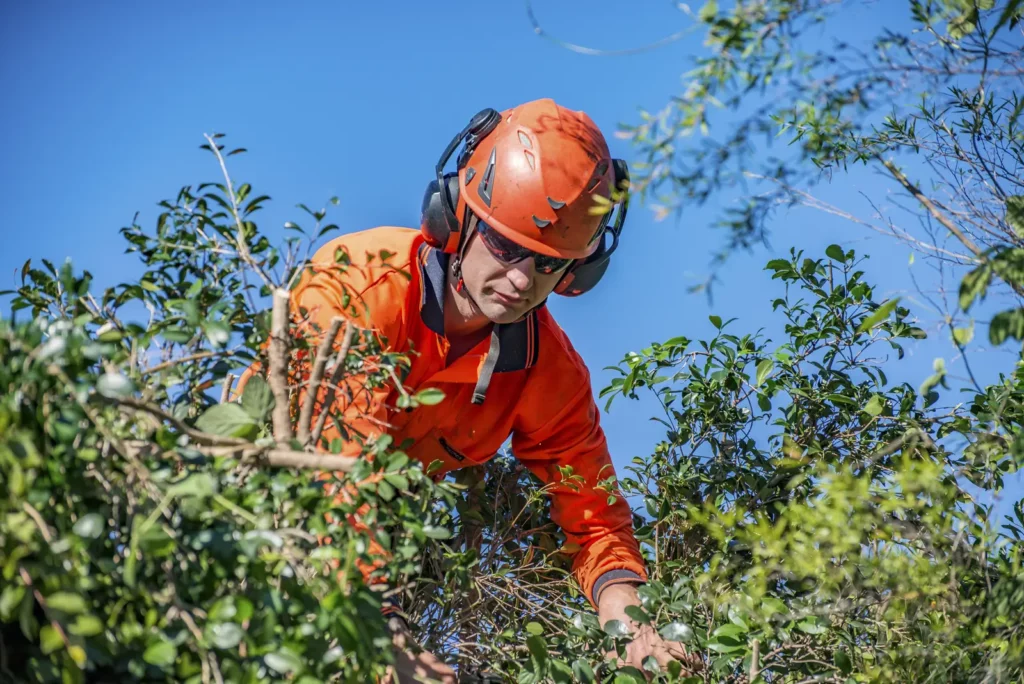
Personal protective equipment forms the foundation of safe tree work. Professional arborists use helmets, safety glasses, hearing protection, cut-resistant clothing, and specialized harnesses. These items aren’t optional accessories—they’re essential barriers between workers and serious injuries.
Role of Qualified Arborists
Qualified arborists bring more than just equipment to the job. Their training covers risk assessment, proper cutting techniques, rigging systems for controlled branch removal, and emergency response procedures. They understand how different tree species react to cuts and can identify warning signs of instability that homeowners miss.
Compliance with Local Regulations
Local regulations in Gladesville mandate specific safety standards for tree work. Arborists carry appropriate insurance coverage, hold relevant certifications, and stay current with Australian Standards for tree pruning operations. Attempting DIY pruning on large trees or complex situations violates these standards and exposes property owners to liability.
Impact of Weather Conditions
Weather conditions dramatically affect pruning safety. Wind can shift branches unpredictably, wet bark becomes slippery, and storms create additional hazards. Professional tree services monitor conditions and postpone work when risks escalate
Are There Any Legal Restrictions on Tree Pruning in Gladesville?
Yes, Gladesville has specific regulations that govern tree pruning activities, particularly for trees on private property and those protected under local council policies. The City of Ryde Council, which oversees Gladesville, requires property owners to obtain approval before pruning or removing certain trees, especially those deemed significant or heritage-listed.
Gladesville tree pruning laws apply to trees that meet specific criteria:
- Trees with a trunk diameter exceeding 300mm measured at ground level
- Trees located within heritage conservation areas
- Trees subject to Tree Preservation Orders (TPOs)
- Native vegetation protected under environmental legislation
Property owners who prune protected trees without proper authorization face penalties ranging from $1,100 to $110,000 for individuals, with higher fines for corporations. The council conducts regular inspections and responds to community reports of unauthorized tree work.
Certain exemptions exist for emergency situations where trees pose immediate danger to people or property. Dead trees or branches that create safety hazards can typically be removed without approval, though documentation and photographic evidence may be required after the fact.
Development applications often trigger additional scrutiny of existing trees on a property. Council arborists assess whether trees can be retained, require protection during construction, or qualify for removal based on health, structural integrity, or development needs.
Qualified arborists familiar with local regulations provide invaluable assistance by:
- Conducting pre-pruning assessments to determine if council approval is needed
- Preparing detailed arborist reports for development applications
- Ensuring pruning techniques comply with Australian Standards (AS 4373-2007)
- Maintaining proper documentation for council records
- Advising on alternative solutions that preserve protected trees
The approval process typically requires submitting an application with supporting documentation, including tree species identification, health assessments, and justification for the proposed work. Processing times vary from two to six weeks depending on application complexity.
Conclusion
Should you attempt tree pruning without professional help? The risks far outweigh any potential savings when you consider the complexity of proper pruning techniques, safety hazards, and legal requirements in Gladesville.
Expert advice from a Gladesville arborist ensures your trees receive care tailored to their specific species, age, and health status. Professional arborists understand the nuances of timing—whether your tree needs late winter stimulation for vigorous growth, careful summer maintenance to control size, or post-flowering attention for ornamental varieties.
The best time of year to prune your trees, according to a Gladesville arborist, varies based on multiple factors:
- Your tree’s species and growth patterns
- Current health and structural condition
- Desired outcomes (growth stimulation vs. growth restriction)
- Seasonal considerations unique to Gladesville’s climate
- Compliance with local council regulations
A qualified arborist brings specialized knowledge that protects both your property investment and the long-term vitality of your trees. They identify potential hazards before they become emergencies, recognize early signs of disease or pest infestation, and execute pruning cuts that promote healing rather than creating entry points for pathogens.
Healthy, thriving trees throughout the year require more than occasional trimming. They need strategic intervention at optimal times, performed with precision and care. Whether you’re managing newly planted saplings, mature shade trees, or prized ornamental specimens, professional guidance transforms routine maintenance into an investment in your landscape’s future.
Contact a certified Gladesville arborist to schedule an assessment and develop a pruning plan that aligns with your trees’ natural cycles and your property’s specific needs.
Click here for more Choosing the Best Tree Removal Service for Large Trees